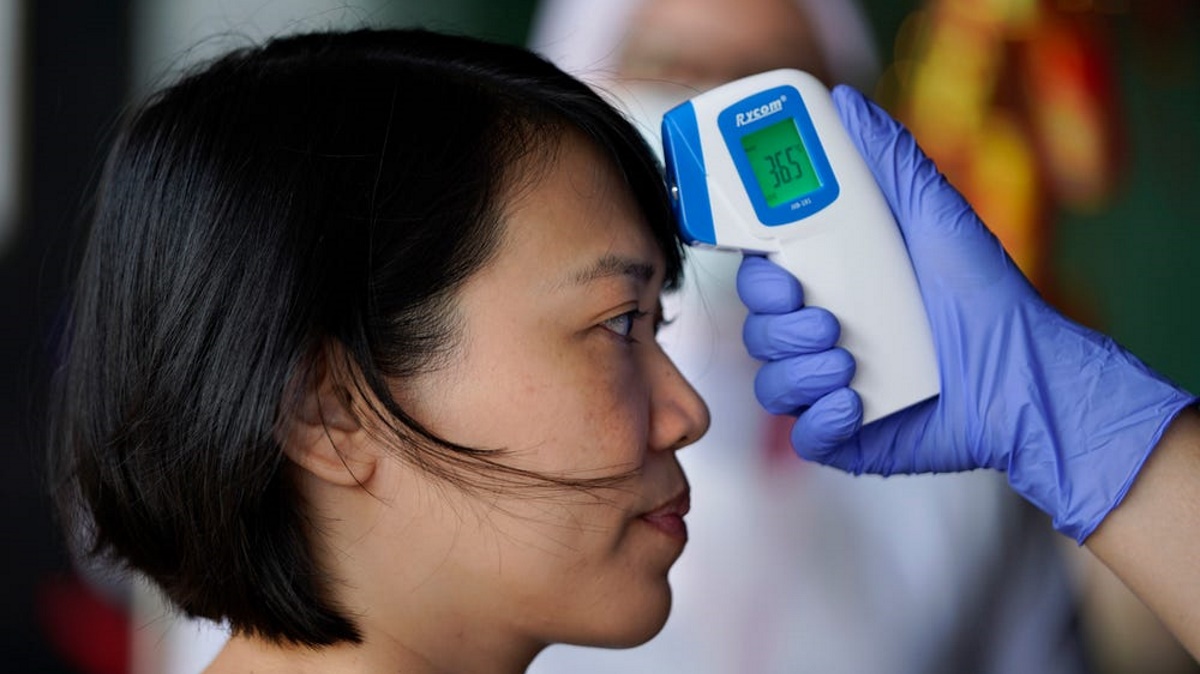
An analysis from the World Health Organization (WHO) showed that from 55,924 COVID-19 cases in China, the most common symptoms that patients manifested include fever (88%), dry cough (68%) and fatigue (38%). Other patients experienced coughing with sputum or phlegm from the lungs (33%), shortness of breath (19%), joint and muscle pain (15%), sore throat (14%), headache (14%) and chills (11%). Symptoms like nausea or vomiting (5%), runny nose (5%), diarrhea (4%), coughing up blood (1%) and eye problems (1%) are also recorded in some patients.

On the bright side, around 80% of COVID-19 patients in China have mild to moderate symptoms. 15% and 5% have severe cases and are in critical condition, respectively.
Timeline of COVID-19 Symptoms
So far, the progression of COVID-19 symptoms can be plotted in a timeline, as follows:
Day 1-3: Mild symptoms like fever, dry cough and fatigue will start occurring. Muscle or joint pain may also manifest in some patients. Only a minority experiences diarrhea and nausea 2 to 3 days before mild symptoms appear.
Day 4-6: Symptoms have worsened, and dyspnea (difficulty breathing) is present, accompanied by a feeling of suffocation, heart palpitations and wheezing. These are more common in older people and those with existing medical conditions like cardiovascular diseases.

Day 7: For mild cases, symptoms should start to subside. However, for more severe cases in which symptoms have not improved or have worsened, hospitalization may be required.
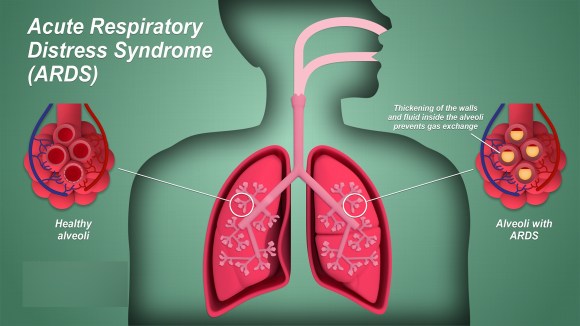
Day 8: During this period, those with severe cases are in peril of developing acute respiratory distress syndrome (ARDS). This is a life-threatening disease characterized by fluids leaking into the air sacs of the lungs, preventing the organ from providing sufficient oxygen to vital organs of the body. In milder cases, pneumonia may occur.
Day 10: This is the point where the patient is more likely to be transferred to the intensive care unit (ICU) because of abdominal pain and loss of appetite. Other organ problems like acute cardiac injury and acute kidney injury may develop in critical conditions. In special cases, septic shock and liver dysfunction can occur as well.
Day 14: This is the expected recovery date for patients with mild COVID-19. For those with severe cases or are in critical condition, recovery may take 3 to 6 weeks.
COVID-19 vs Common Colds vs Flu
COVID-19, the common cold and the flu share symptoms such as fever, coughs, chills and body pains, but they couldn’t be more different from one another. Here’s how to tell them apart:
Common Colds
This is a mild upper respiratory infection that is less aggressive than other viral infections like the flu. On average, the common cold only lasts 7 to 10 days. The symptoms are caused by the immune system itself as the body’s way of fighting the infection. Symptoms are a runny nose, sneezing, mild coughs, sore throat, teary eyes, low-grade fever, body pains and headaches.
Flu (Influenza)
This is a common viral infection affecting both the upper and lower respiratory tract, particularly the nose, throat and sometimes the lungs. It is more serious than the common cold, as proven by its fatality in some cases. Symptoms include fever or chills, coughs, sore throat, stuffy nose, fatigue, headaches, and muscle or body pains. Diarrhea and vomiting may also occur, especially in children.
COVID-19
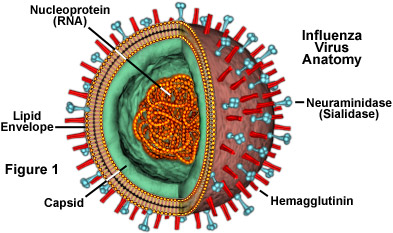
This is a highly contagious respiratory illness caused by a new coronavirus that originated from an animal. It has so far infected more than two (2) million people all over the world, and counting. It can be fatal for the elderly and those with pre-existing health conditions. Symptoms vary from mild to severe, and include fever, fatigue, cough (sometimes with phlegm or blood), shortness of breath, sore throat, muscle and joint pains, headache, chills, nausea, runny nose, diarrhea and swollen eyes. Some patients may experience digestive problems or gastrointestinal symptoms as well.
When to Contact Medical Authorities
If you suspect that you have COVID-19, do not panic. The best thing to do is call your healthcare provider, and apply self-quarantine measures for 14 days to protect others. There is no cure for COVID-19 yet, though most patients with mild COVID-19 recover without special treatments.

Usually, patients are admitted to the hospital on the seventh day from the first day that symptoms started showing. Seek immediate medical attention if you are experiencing trouble breathing, bluish lips or face, persistent chest pain and confusion.
Becoming fully aware of COVID-19 symptoms can save you and people around you from being infected. If you think you are infected with the disease, make sure to follow isolation and self-quarantine protocols to avoid spreading the virus. Being diagnosed with COVID-19 is scary, but this is not a death sentence. As of writing, the number of recoveries is far more than the number or deaths worldwide. You can fight the virus, too, by simply taking care of yourself and being mindful of the people around you.
 OUTBREAK