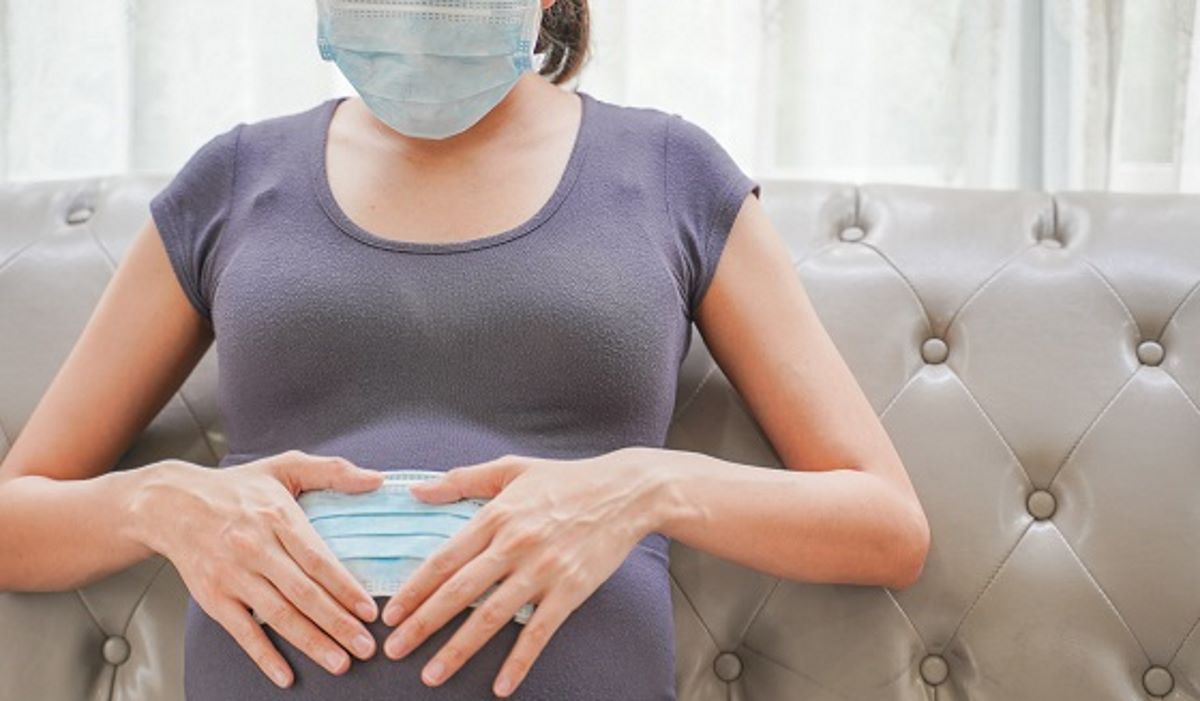
The news portals are still flooded with distressing coronavirus issues since the outbreak started. Every day, an increasing number of confirmed cases and deaths are adding to statistics. Several countries across the globe are strictly implementing their control measures to reduce the transmission of the fatal disease. Non-essential establishments are closed, people are in stay-at-home order, and pregnant women are worried instead of celebrating the important event of their lives.
What we currently know about COVID-19 and Pregnancy
Current research status on COVID-19 and Pregnancy
The data about Covid-19 linked to pregnancy is still thin. With the limited data available, pregnant women are encouraged to take the same protective measure as the general population since they are unlikely to have severe symptoms than them. However, researchers are still looking for more evidences. As of this writing, data on possible virus vertical transmission is very unlikely. Coronavirus has not been detected on human milk as well.
Are pregnant women at higher risk from COVID-19?
Current data suggest that pregnant women are not at higher risk of severe illness as compared to the general population. However, pregnancy creates changes in a woman’s body and they are in the more immunosuppressed state. On that note, they can be seriously affected by some respiratory infections once they caught it. Thus, the importance of preventive measures should be highly regarded to combat themselves from Covid-19.
Possibility of transmitting virus to unborn baby and newborn baby
So far, studies concerning the possibility of transmitting covid-19 virus to unborn and newborn babies are still not clear. The limited information from some conducted examination regarding this, points that no coronavirus trace has not been found in the vaginal fluid, cord blood, and even breastmilk and amniotic fluid or placenta.
A reported case in China notes that coronavirus antibodies were found in the blood of three newborn infants after birth, but this was questioned, and believed that they got infected after delivery.
Although there is no evidence that Covid-19 virus can be transferred through vertical transmission, the baby can still be in danger, depending on the severity of condition of the Covid-19 positive mother.
Breastfeeding, is it safe?
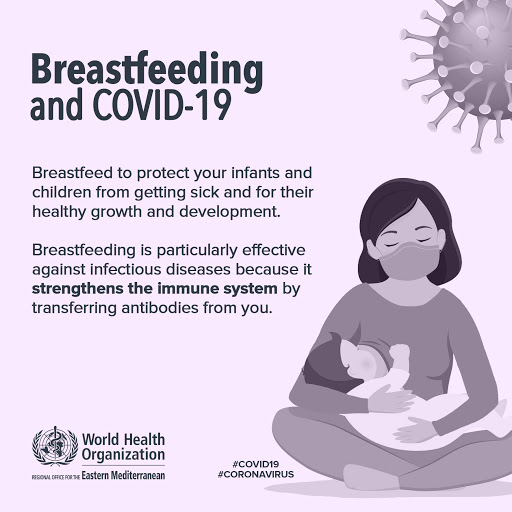
A mother can proceed to breastfeed her baby, provided all necessary precautions are applied. Since the virus is absent from breast milk, considering its benefits for the baby, a mother can let the baby have it. Although it is still inconclusive whether an infected mother can transmit coronavirus through breast milk, the main concern right now is that the mother may transmit the virus through respiratory droplets while breastfeeding the infant. It is important to take the necessary preventive measures to avoid the transfer of virus, especially during direct breastfeeding.
Expert Advise for Pregnant Women during the COVID-19 Pandemic
Here are some expert counsels for pregnant women amid Covid-19 pandemic from Franka Cadée, President of the International Confederation of Midwives according to Unicef.
Prenatal check-ups
Currently, many adaptations are happening to cope with the crisis. To make the physical visit short, matters that are possible to talk over the phone is done by the gynaecologist to communicate with the patients. To protect both parties from virus transmission, it is ideal to do the physical meeting only when necessary. However, healthcare providers know how to address the patient’s needs depending on the uniqueness of the case.
Coronavirus vertical transmission
So far, findings about mother to child virus transmission are not yet firm. Covid-19 virus seems to have no presence in the vaginal fluid, cord blood, and breastmilk, as well as in amniotic fluid or the placenta. The best thing to do is to prevent yourself from catching the virus. In the instance that you feel any Covid-19 symptoms during or after pregnancy call your medical provider right away.
Giving birth in a hospital or clinic
If the pregnant woman wishes to give birth to a hospital, she should consult with her midwife if it’s safe. The situation is a case to case basis, it will depend how safe the environment is and how much precautions can be provided by the healthcare system.
Partner or family member’s physical support
Although policies differ from country to country, it is still great that a woman has someone beside her while giving birth, with proper precautions. Let at least one closest person to the mother stay with her during the delivery.
Solution to ease anxious minds about giving birth
Even though the world’s current situation is highly unpredictable, an established plan in place can help you be at ease with more sense of control. This includes, who to contact when the labour happens, who provides support, and where should it take place. Performing simple exercises at home and talking to your gynaecologist if you need to can also be helpful.
Things to ask from your healthcare specialist
A trusting relationship with your healthcare provider is important. This foundation can help you be comfortable asking as many questions as you need. Some important questions you may raise to your gynaecologist are as follows:
- Am I at risk of coronavirus disease (COVID-19) in this space? Has someone else been here with the COVID-19 virus?
- How do you separate people with the COVID-19 virus from people who have not?
- Is there enough protective clothing for the healthcare professionals?
- Am I allowed to take someone with me? If not, why not?
- Am I allowed to keep my baby with me? If not, why not?
- Am I able to breastfeed my baby? If not, why not?
- Am I allowed to give birth vaginally or do you give Caesarean section sooner? If so, why is that?
Things to pack when going to the hospital
Women should bring all necessary things they need for precautionary measures. Expectant mothers can expect that they may be asked to go home as soon as possible than normal, but this will always depend upon the situation and the case.
Protecting the baby after delivery
It will be best to limit the contact within immediate family only. Make sure that the family takes care of themselves and always wash their hands as needed. Enjoy the quietness of your family alone for the meantime.
Expectant mother amid coronavirus outbreak
While the studies suggest that pregnant women are not at higher risk compared to any other group, it still better to be precautious since pregnancy leaves you in a more immunosuppressed state, respiratory infections may be serious especially in the last months of pregnancy.
Breastfeeding
Up to this date, human milk is safe from the virus, so the baby can have it. The main concern is that, if you are experiencing Covid-19 symptoms you have to seek medical care and do necessary actions as they say. The baby may be in danger of getting the virus from the respiratory droplets rather than the breast milk itself.
Pregnant women who live in crowded places
This can be challenging, but the community should take care of pregnant women and do not forget the importance of frequent hand washing.
About unwanted/unexpected pregnancies during COVID-19
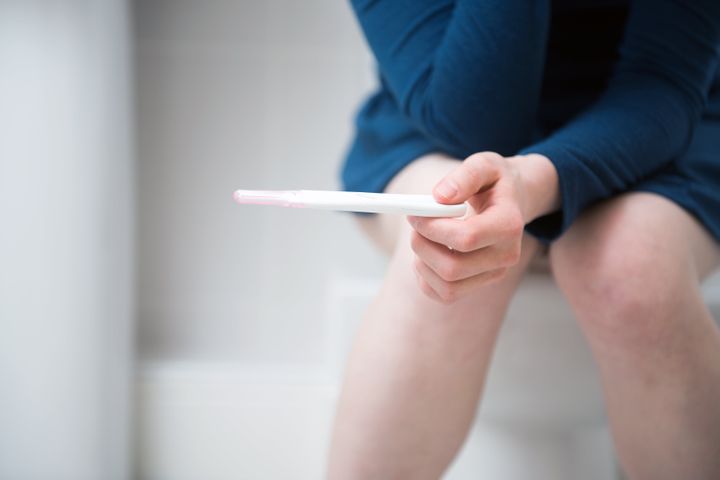
The Coronavirus outbreak has created a surge in the increase of demand for abortions. Many women are experiencing unwanted pregnancies due to stress, anxiety, and situation associated with Covid-19. Pregnant women are worried of contacting the virus when they need to see their physicians in the hospital, leading them to terminate the pregnancy or choosing elective caesarian section. Apart from that, online selling of abortion pill has reported having dramatic increase in traffic. Abortion through telemedicine is also in demand in some countries, wherein, the doctor meets the patient virtually and the necessary medicines are mailed to the home.
How to keep safe/healthy for expecting and new mothers
For both expecting mothers and new mothers, it is imperative that you keep yourself healthy amid pandemic, for you and your baby. Listed below are some tips to combat Covid-19 according to CDC:
- Apply social distancing. This involves avoiding people with the virus and even those who show symptoms.
- Stay at home as much as possible or maintain at least 6 feet distance away from people.
- Wash your hands with soap and water for at least 20 seconds especially after touching other people, things and surfaces outside your home, changing diapers, using the toilet, blowing your nose, coughing, or sneezing, handling dirty laundry, and before food preparation and breastfeeding.
- Cover your cough and sneeze with tissue, and throw it right away to the trash bin, then wash your hands. You can also cough in your elbow.
- Maintain hygiene and cleanliness at home. Disinfect more often especially on touched surfaces and objects. Keep the disinfectants out of reach of children.
- Launder your clothes and things by following the label or instructions. If possible, use appropriate warm water setting for the items and let it dry completely. Clothes of an ill person can be washed along with other people’s stuff, but make sure to wash your hands after handling them.
The battle for Covid-19 pandemic remains open and unresolved for quite a while. Welcoming a new human being into life turned into an even complicated situation from what it was. On the other hand, people always find ways to survive, many techniques to cope with crisis has been established. While current data reveals that pregnant women are not at higher risks of severe illness than general population, it still important to be precautious and stay positive.


 OUTBREAK