
Abortion access has been restricted in some states of the United States of America in response to the on-going COVID-19 pandemic, leaving patients and abortion doctors with very limited and inconvenient options. Meanwhile, Singapore abortion clinics have remained open to serve patients, prompting other states and countries to innovate new means to reach out to patients and provide immediate medical services.
Since any procedures to terminate pregnancy were deemed as non-essential, instead being elective despite health and financial concerns, clinics that offer such services and have remained open have begun to establish new rules to cope with the large demand for abortion procedures. These rules are specifically created with remote patients in mind.
In the US and other parts of the world, abortion clinics continue to accommodate and serve patients through what is known as Telabortion. With a Telabortion, the patient is recommended a healthcare professional who will go over the necessary assessments via video consultations. Laboratory tests such as an ultrasound, blood tests and pelvic exams will be conducted in medical facilities close to the patient’s home. If found qualified, the patient is sent the abortion pills by post.
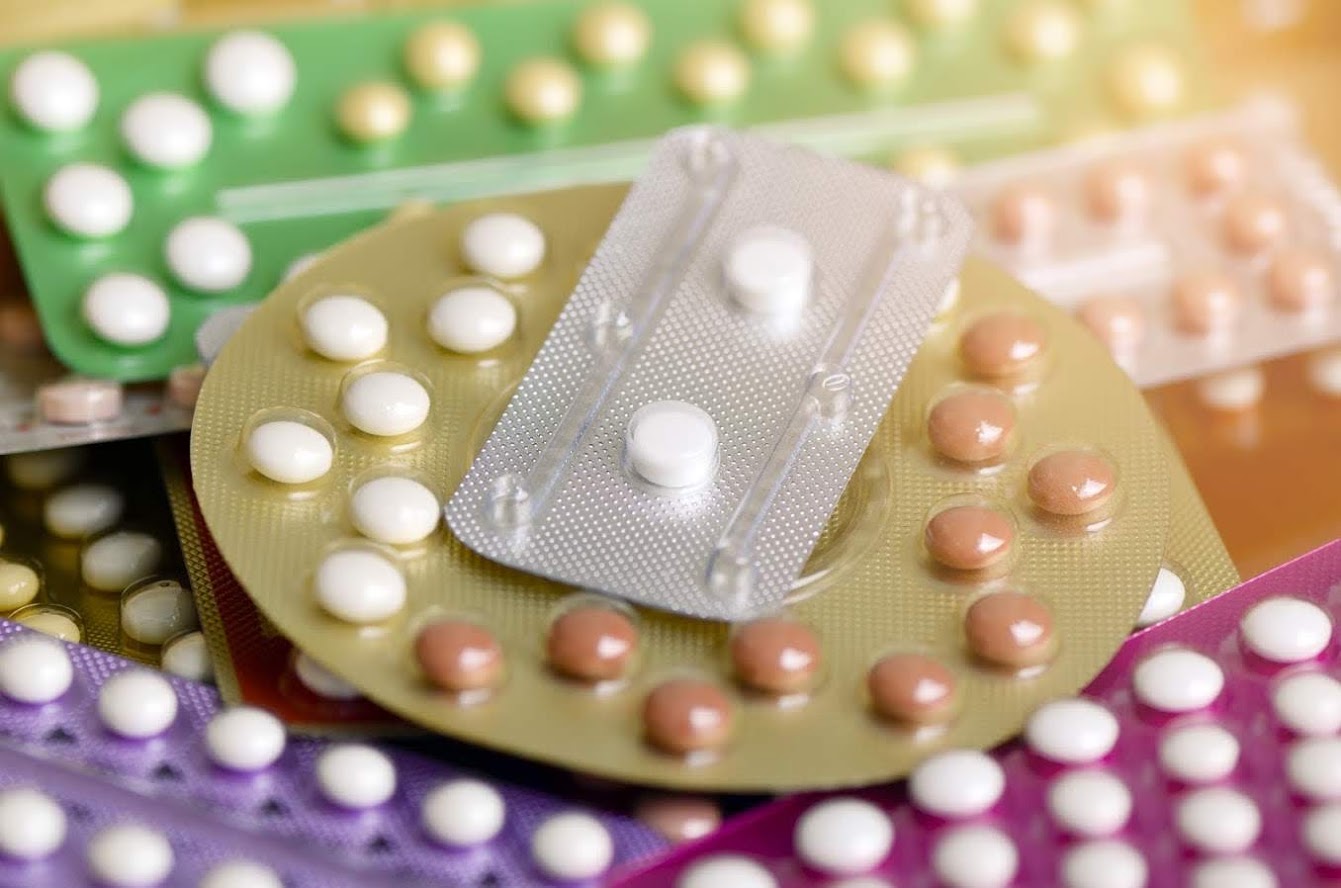
With abortion pills being seemingly easily accessible and distributed at this time, whether through Telabortion or not, the government has issued a warning. The US Food and Drug Administration (FDA) heavily confines the abortion pills distribution, stating that the drugs used should only be dispensed to medical practitioners and institutions that are accredited to administer abortion procedures. Providers will also need to sign a waiver stating that they will secure the patient’s accessibility to surgical abortion or immediate medical care should problems arise with a medical abortion.
Despite this, many doctors and lawmakers have demanded lifting the ban on mail-order abortion pills. One benefit of doing so is that women won’t have to travel to different states or countries to have an abortion, thus further protecting herself and others especially from COVID-19. The results of Telabortion has been positive as well.
So far, the findings concerning Telabortion have generated high patient satisfaction, low risks of complications and parallel outcomes to a standard in-clinic abortion procedure.
In contrast, Singapore abortion clinics have remained open and operational amidst the pandemic. Licensed medical professionals continue to attend to their patients, but under tighter regulations for added health protection, both for the doctor and the patient. While abortion pills are also available, a surgical abortion in Singapore is the preferred approach due to its safety and effectiveness. However, a telehealth app is available in the country for patients who need medical assistance but not requiring intensive care.
Another difference is that while in some countries, mifepristone and misoprostol are used to induce abortion, misoprostol is the only legal drug available to induce a medical abortion in Singapore. Despite offering a more “natural” way to terminate a pregnancy, misoprostol is only advised until up to the 10th week of pregnancy. This limitation, plus its higher risk for complication, is sufficient reason for Singapore abortion doctors to recommend safer, surgical options, despite Telabortion being also available in the country.

With the ongoing COVID-19 pandemic, the rate of abortion in Singapore is expected to increase as a result of unplanned pregnancy, which, in turn is an indirect result of social isolation measures.
 OUTBREAK