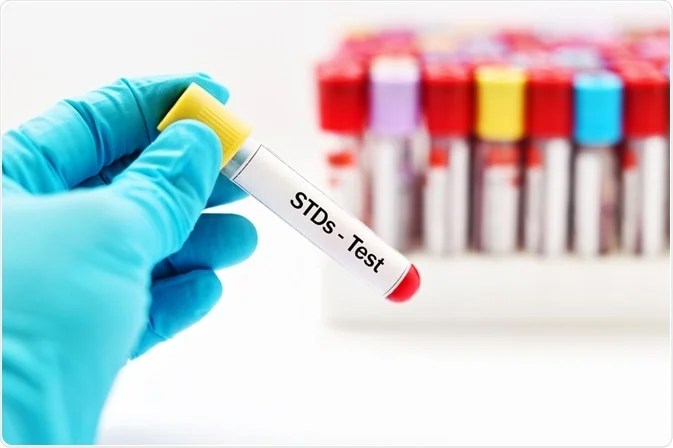
Sexually Transmitted Diseases (STDs) are a significant public health concern worldwide, and Singapore is no exception. Regular STD testing is crucial for maintaining sexual health, especially for sexually active individuals. It helps in early detection, treatment, and prevention of the spread of STDs. Despite its importance, STD testing is often stigmatized, leading to reluctance and fear. This comprehensive guide aims to break the stigma surrounding STD testing in Singapore, emphasizing its importance and providing detailed information on the process.
Common STDs in Singapore
STDs are infections transmitted through sexual contact. In Singapore, the most common STDs include Chlamydia, Gonorrhoea, Syphilis, Genital Herpes, HIV, and HPV. These diseases vary in their symptoms, treatment options, and potential health impacts.
- Chlamydia is the most prevalent STD in Singapore, often asymptomatic but can cause health problems if left untreated.
- Gonorrhoea is the second most common STD, with symptoms similar to yeast or bacterial infections in women.
- Syphilis is a bacterial infection that can lead to serious complications if not treated.
- Genital Herpes is a viral infection that is usually mild but easily transmitted to others.
- HIV attacks the immune system, making the individual more susceptible to other diseases and infections.
- HPV is a viral infection that can cause cervical cancer in women.
High-risk groups include sexually active individuals with multiple partners, individuals who do not use protection during sex, and certain segments of the population like the LGBTQ+ community.
Types of STD Testing Available
There are several methods of STD testing available in Singapore, each with its benefits and limitations.
- Blood tests are used to detect diseases such as HIV, Hepatitis B & C, and Syphilis.
- Urine tests are often used to detect Chlamydia and Gonorrhoea.
- Swab tests involve collecting samples from potential infected areas like the mouth, vagina, or rectum.
Each testing method is designed to detect specific STDs, and the choice of test depends on the individual’s symptoms and sexual history.
Process of STD Testing
Preparing for an STD test involves refraining from urinating for at least 1-4 hours before the test for urine tests, and not cleaning off any genital areas producing abnormal discharge for swab tests. During the testing procedure, a healthcare professional will collect the necessary samples, which may include blood, urine, or swabs. The turnaround time for results typically ranges from 3 to 5 working days, although some tests may take up to 2 weeks.
Cost of STD Testing
The cost of STD testing in Singapore varies depending on the type of test and the clinic. Some clinics offer comprehensive STD screening packages ranging from $200 to $500. While most insurance plans do not cover STD testing, there are free or subsidized testing options available at certain public healthcare institutions.
STD Testing for Specific Groups
STD testing is an essential part of maintaining sexual health for all individuals who are sexually active. However, certain groups may require more frequent or specific types of testing due to their unique circumstances or higher risk factors.
STD Testing for Sexually Active Individuals
All sexually active individuals, regardless of their age or gender, should consider regular STD testing as part of their routine health care. The frequency of testing can depend on various factors such as the number of sexual partners, the type of sexual activities engaged in, and the use of protection during sex. For instance, individuals with multiple sexual partners or those who engage in unprotected sex may require more frequent testing.
STD Testing for Pregnant Women
Pregnant women are another group that should undergo STD testing. Certain STDs can be passed from a mother to her baby during pregnancy or childbirth, leading to serious health complications for the newborn. For instance, untreated syphilis in pregnant women can lead to stillbirth, neonatal death, or infant disorders. Similarly, a baby born to a mother with untreated HIV can become infected with the virus. Therefore, STD testing is a standard part of prenatal care, and pregnant women are typically tested for STDs like HIV, Hepatitis B, and syphilis at their first prenatal visit.
STD Testing for LGBTQ+ Individuals
Members of the LGBTQ+ community may face a higher risk for certain STDs, particularly HIV and syphilis, due to various biological and behavioral factors. Men who have sex with men (MSM), for instance, are significantly affected by HIV globally. Therefore, regular STD testing is especially important for LGBTQ+ individuals. In addition to routine STD testing, they should also consider vaccinations for Hepatitis A and B and HPV, which can protect against certain types of cancer.
Confidentiality and Privacy
In Singapore, patient confidentiality is a legal obligation for healthcare providers. Measures are taken to ensure privacy during STD testing, and the results are only disclosed to the individual tested. In the event of a positive test result, the implications on privacy are minimal as the information is strictly confidential.
STD Prevention and Education
Safe sex practices are the most effective way to prevent STDs. Educational resources and counseling services are available in Singapore to promote STD awareness. Community initiatives also play a crucial role in spreading knowledge about STDs and their prevention.
Handling a Positive Test Result
A positive STD test result can be emotionally challenging. Emotional support and counseling are available for individuals with positive results. Treatment options vary depending on the specific STD, with most being curable or manageable with medication. Partner notification and contact tracing are also important steps in preventing further spread.
STD Testing and Technology
Advancements in STD testing technology have made the process more accurate and convenient. Online platforms and telemedicine options for testing are becoming increasingly popular, offering more privacy and convenience. However, these remote testing services may lack the comprehensive care provided in a clinical setting.
Travel and STD Testing
Pre-travel STD testing can help prevent the spread of STDs across borders. Returning travelers are also advised to get tested, especially if they engaged in risky sexual behavior while abroad. International collaborations play a crucial role in STD prevention and testing.
Challenges and Barriers to STD Testing
Stigma and misconceptions surrounding STD testing often deter individuals from getting tested. Lack of awareness about available testing services and cultural and language barriers can also pose challenges. Efforts are needed to address these issues and promote regular STD testing.
Government Initiatives and Policies
The Singapore government has implemented several strategies for STD prevention and control, including campaigns promoting regular testing and policies related to STD testing.
Research and Development in STD Testing
Ongoing research in the field of STD testing is leading to innovations and emerging technologies that promise to make STD testing more accurate and accessible. The future of STD testing in Singapore looks promising with these advancements.
Regular STD testing is crucial for maintaining sexual health and preventing the spread of STDs. This guide provides comprehensive information on STD testing in Singapore, from the common types of STDs and testing methods to where to get tested and the cost of testing.
STD testing is important for everyone, not just those who are sexually active. It’s a responsible and inclusive approach to sexual health that everyone should adopt. Take charge of your well-being and get tested regularly.
 OUTBREAK